Depicting the Extraction of Cadmea and Different Mineral “Earths” in Ancient Metallurgy.
The Greek word Καδμεία (kadmeia) and its equivalent Latin cadmea or cadmia are technical terms used in ancient sources to indicate types of compounds that differentiate for colour, texture, composition and origin (natural and artificial, produced as a by-product of copper, lead and silver smelting from special types of ores). Invariably, the terms are connected with the conveying of zinc in the production of the early orichalcum alloy, in its many meanings, and later on brass, a copper-zinc alloy with a more standardised composition, per definition in use from Roman times on. Accepting this interpretation, the term has more of a functional rather than a mineralogical meaning, indicating a specific good, a product category that had a specific role in the market of metallurgical constituents.
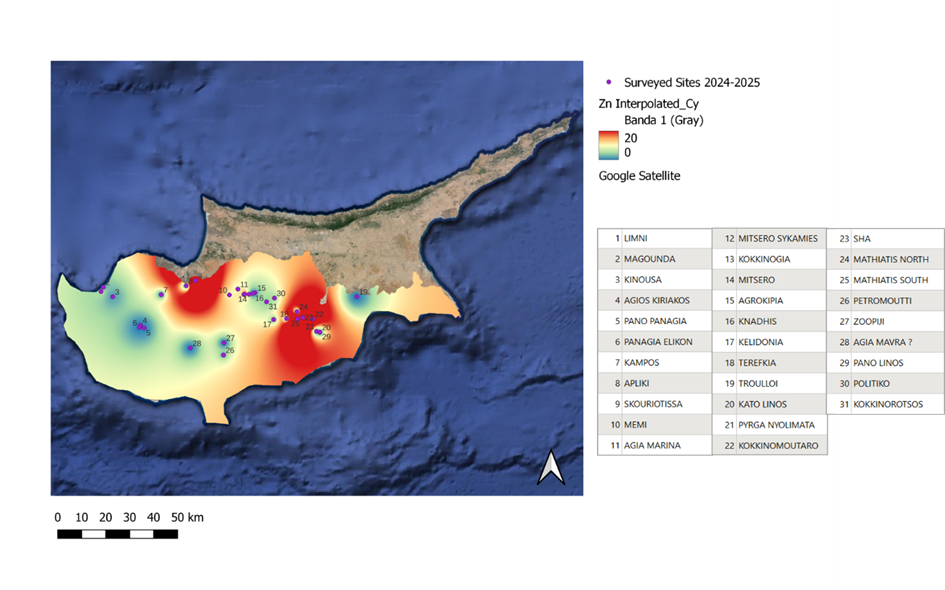
The DE-CADMEA project aims to increase the understanding of these zinc-rich mineral compounds, whose ancient nomenclature does not directly correspond to modern mineralogical terminology. At the same time, it seeks to explore metallurgical practices and materials uses that have so far received limited attention in archaeological and archaeometallurgical research.